
Chronicle of a legend
Where the legend began
The Fountain of Youth has been carried across centuries of storytelling, and its meaning shifts with each teller. Folklore and cartography met early, as explorers sketched unknown lands and wrote of waters said to restore life.
Maps of the uncharted world often marked what was not yet known. Into those blank spaces travelled rumors of springs that could renew the body, and each retelling added a new layer of hope.
Key milestones
Four threads through time
Classical antiquity
Herodotus recorded early references to waters of long life among the Macrobians, a distant people said to live unusually long lives.
Medieval romances
The Alexander Romance popularized waters of immortality across medieval Europe and Asia, carrying the idea far beyond its origins.
Caribbean voyages
As Spanish expeditions reached the Caribbean, the legend attached itself to new islands and rivers, shaped by hope and rumor.
Colonial reports
Accounts linking Ponce de León directly to a rejuvenating spring surfaced primarily after his death, in chronicles written decades later.
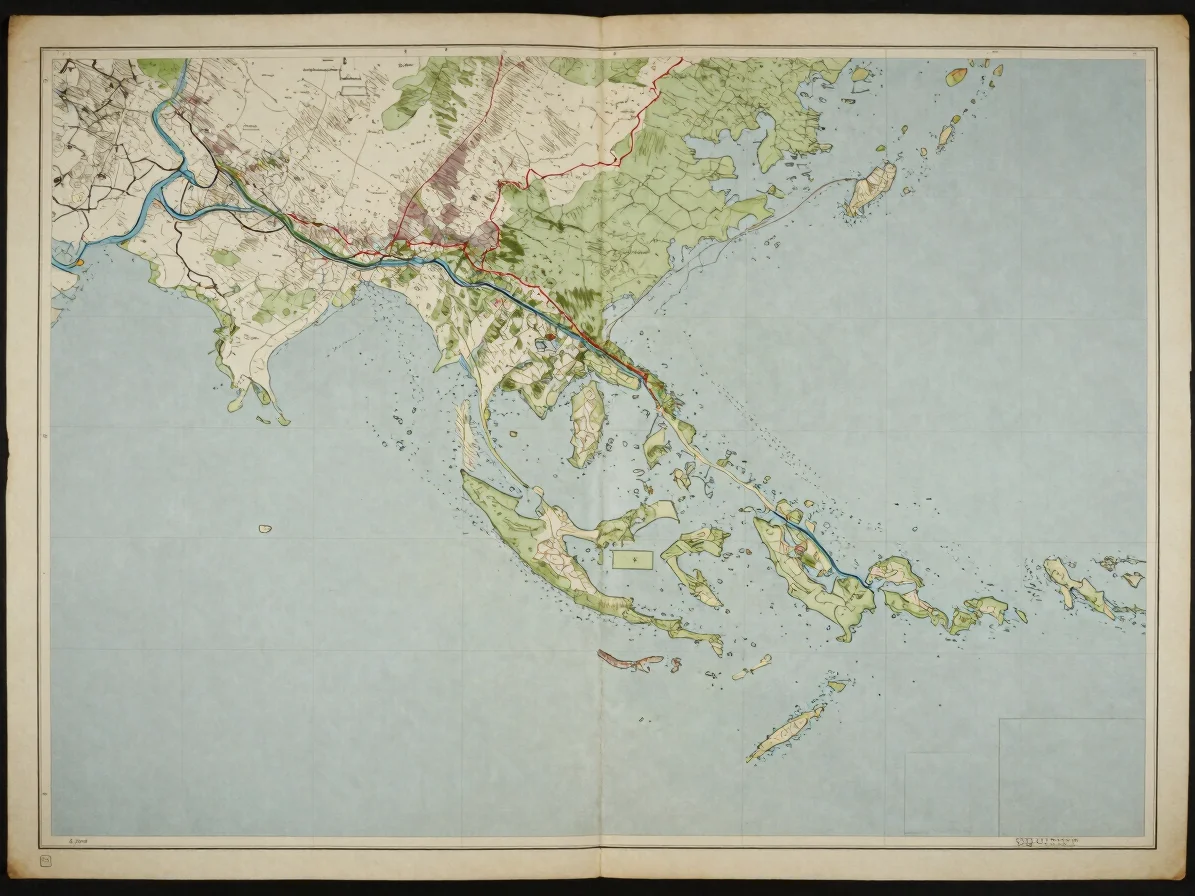
Cartographic note
Early mapmakers often left distant shores unmarked or noted them as unexplored. These empty spaces invited the stories that followed, turning cartography into a record of both knowledge and longing.
Share a source or a question
Send research inquiries or documented references to the archive.