
Our approach
Studying a legend with historical discipline
Everwell examines the Fountain of Youth as a story people have carried for centuries. We begin with folklore, primary documents, and cultural history, then ask what each version reveals about the time that told it.
Our aim is clarity over spectacle. We separate what the sources actually say from what later writers added, and we treat the enduring wish to stay young as a subject worth understanding in its own right.
Research pillars
How we read the legend

Pillar one
Textual evidence
We ground every claim in the earliest surviving accounts, quoting carefully and noting where a passage is secondhand, disputed, or missing its original context.
Pillar two
Mythological comparison
Many cultures describe waters that restore youth. Placing these traditions side by side helps us see shared human patterns rather than assuming one story owns the idea.

Pillar three
Historical context
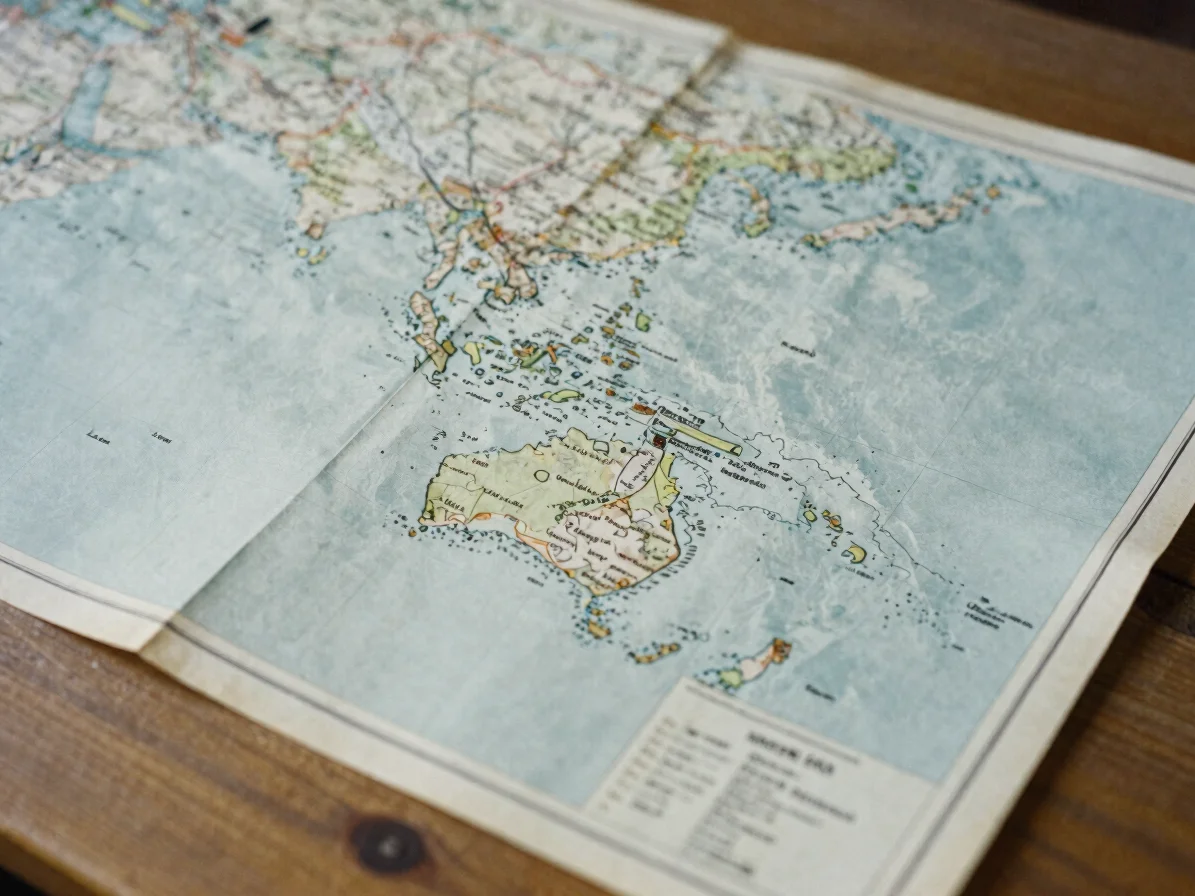
We situate each account within its era, considering who wrote it, why, and what anxieties or ambitions shaped the telling.

A closing thought
An old wish to begin again
The Fountain of Youth endures because the question beneath it never goes away: how do we make sense of time, aging, and the end of life? Every retelling answers that question differently.
We invite readers to approach the legend with curiosity and care, understanding it as literature, history, and human longing rather than a promise of anything that can be bought or proven.